
Vinyl vs fiberglass windows for modern homes Services
What to Know About Vinyl vs fiberglass windows for modern homes
If you’re weighing vinyl vs fiberglass windows for modern homes, you’re probably trying to balance clean architecture with everyday comfort, quiet rooms, fewer drafts, and windows that still look sharp years from now. In most local window replacement consultations, the “best” choice depends less on trends and more on how your home is built, your climate, and whether you want the lowest upfront price or the strongest long-term performance.
How vinyl and fiberglass perform in daily life
Vinyl windows are popular because they’re typically the most budget-friendly option and deliver solid energy performance when paired with quality glass packages. Vinyl frames can be thicker and may have visible welds at the corners, which is fine for many homes but can read a little less “crisp” on ultra-modern designs with narrow sightlines.
Fiberglass windows usually cost more, but they’re known for strength and stability. Because fiberglass expands and contracts less than vinyl with temperature swings, seals and sightlines can stay tighter over time, helpful if your area sees hot summers, cold snaps, or big day-to-night temperature changes. Fiberglass can also be painted, which matters if you want a specific modern exterior color now or the flexibility to change it later.
Modern design, frame thickness, and curb appeal
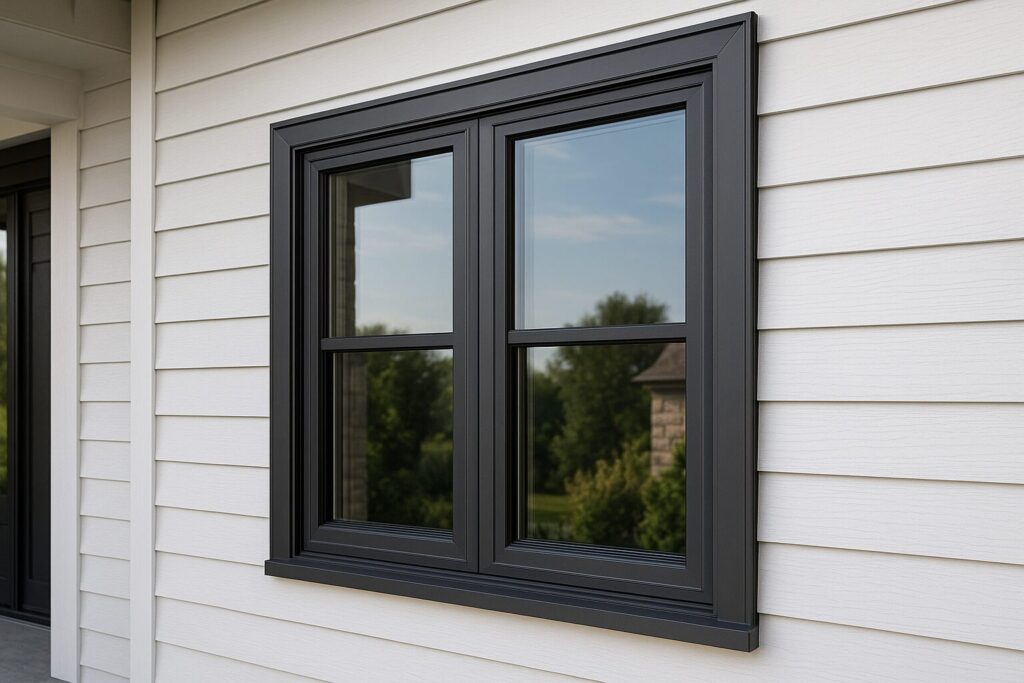
For modern homes, the look often comes down to proportions: slimmer frames, larger glass area, and consistent lines across elevations. Fiberglass frequently wins here because it can support narrower profiles while staying rigid. That said, some premium vinyl lines are designed specifically for contemporary styles, so it’s worth comparing actual sample corners and installed photos rather than choosing by material alone.
Also consider finish expectations. Vinyl colors are typically factory-applied and consistent, but you can’t repaint them reliably. Fiberglass is more forgiving if you want deep, modern tones (charcoal, black, bronze) and might better match other exterior elements like metal railings or dark trim packages.
Cost, maintenance, and what to ask your local installer
Upfront, vinyl usually offers the best value per window. Fiberglass can pay off if you’re prioritizing longevity, paintability, and a “tight” modern look that stays consistent over decades. Maintenance for both is generally low: routine cleaning, checking caulk lines, and keeping weep holes clear. The bigger differences are often in installation quality and glass selection, not just frame material.
When you request estimates, ask for the U-factor and SHGC (solar heat gain coefficient) of the exact configuration you’re buying, not a generic brochure rating. Confirm the warranty terms, whether the exterior is paint-ready (for fiberglass), what reinforcement is used (for vinyl), and how the installer handles flashing and water management around the opening.
If you want the cleanest modern look and maximum stability, fiberglass is often the safer bet. If your priority is strong efficiency at a lower price, and you choose a well-built product installed correctly, vinyl can be a smart, comfortable upgrade that still fits a modern home.
Learn more on our website home page, and see additional guidance from ENERGY STAR.
Vinyl vs fiberglass windows for modern homes is worth looking at based on your goals, budget, timing, and the kind of service or product you actually need.
Vinyl vs fiberglass windows for modern homes is worth comparing carefully before you choose the right provider, service, or product.
For more helpful reading, see our Vinyl vs fiberglass windows for modern homes article guide.
Ready to take the next step? Request your free consultation on our estimate page and see how Window Contractors Carmichael can help to find the perfect solution for your needs.